

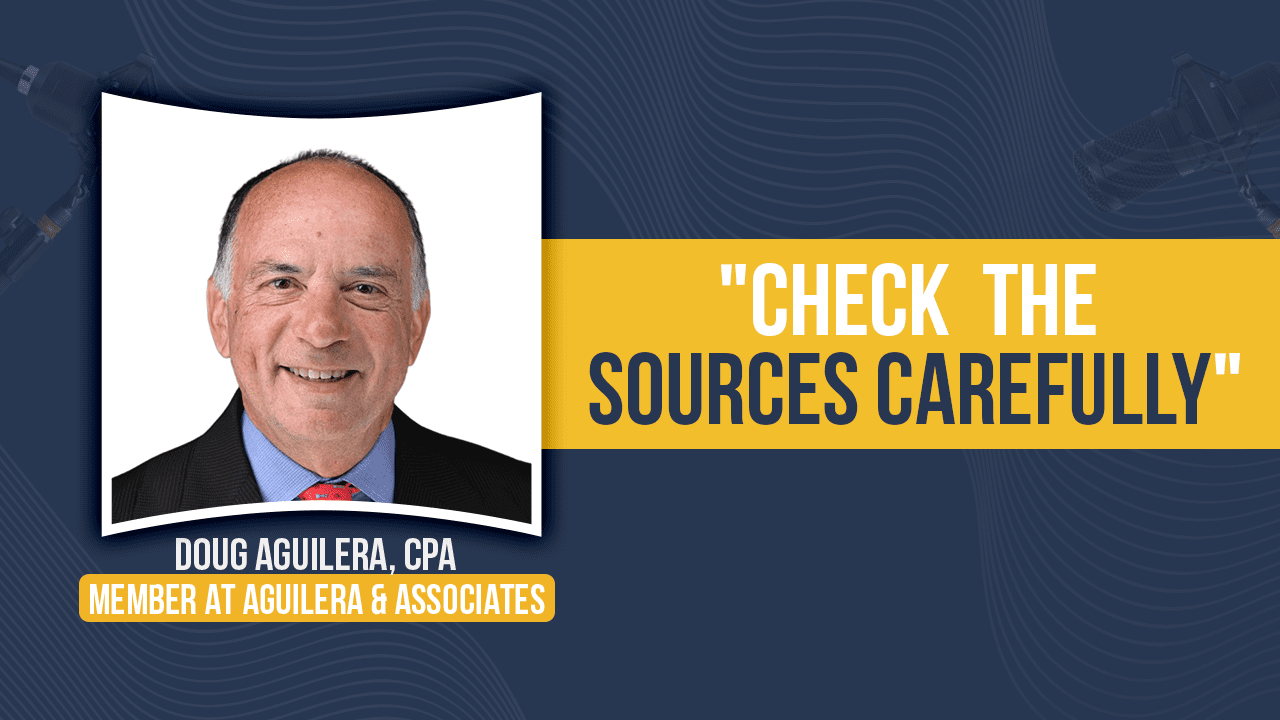
This is Part 2 of my conversation with Doug Aguilera on CPA Career Paths, Episode 107, and this portion of the interview dives even deeper into the realities of forensic accounting, technology, and the evolving CPA profession.
Interview highlights:
- A real-world fraud case where payroll was manipulated on cruise ships—yes, literally at sea.
- How forensic accountants validate truth when interviews happen virtually (and body language is limited).
- Practical ways to handle AI risks in investigations: “ask for all AI prompts and all AI results.”
- A major shift in the CPA pipeline: California moving away from the strict 150-hour requirement and emphasizing experience.
The Cruise Ship Fraud Story I Won’t Forget
Doug shared an unforgettable case from his Ernst & Young days: he was suddenly sent to Ketchikan, Alaska to board a cruise ship mid-voyage because payroll costs were “way over budget.” The culprit? Fictitious employees.
The wildest detail: “The most important report… was how many $20, $10, $5, $1, nickels, dimes, and pennies were needed… because everybody got paid in cash.”
Fraudsters manipulated payroll to add “five additional employees,” creating extra cash envelopes they kept—about $40,000 a month.
My takeaway: in accounting, the “small” controls (like payroll reports) can be the biggest fraud signals.
Investigations: It’s a Fact-Finding Mission
I asked Doug what happens when he confronts someone directly. His answer surprised me: sometimes the reaction is… nothing.
Doug explained why he’s direct anyway: “We’re on fact-finding missions. We’re just trying to get to what actually happened.” His approach is to test a narrative against evidence and follow inconsistencies.
When work is virtual, he said you lose body language cues, so you rely on:
- Document trails and transaction logic
- Consistency between statements and facts
- Follow-up questions that pressure-test the story
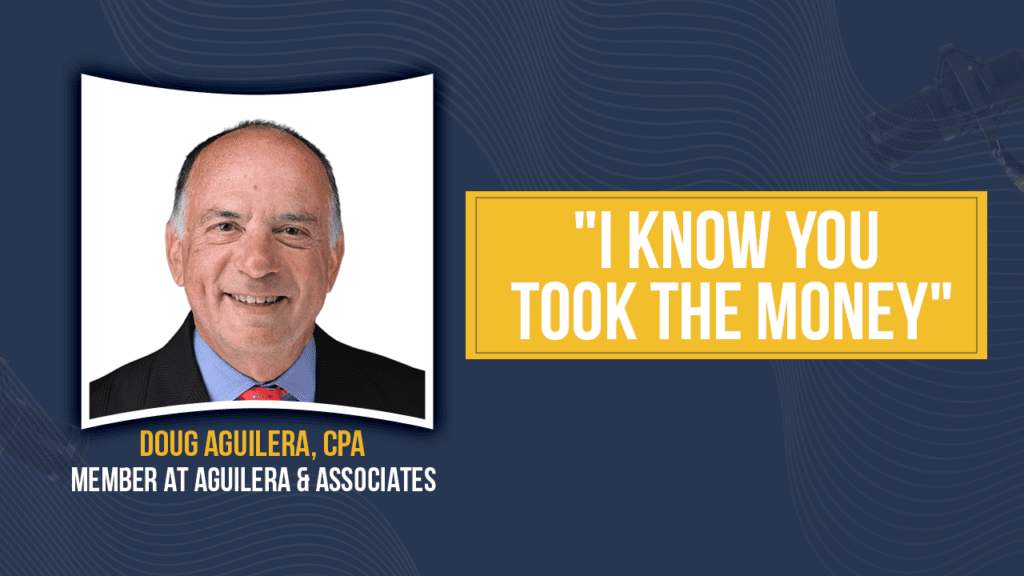
AI in Forensic Accounting: Trust, But Verify
Doug doesn’t treat AI as something to fear—he treats it as something to audit.
His process is simple and powerful:
- “I’ll ask for all AI prompts and all AI results.”
- Verify whether the cited sources are real
- Assume AI can “make things up,” even when it sounds polished
Actionable tip: If you use AI for research, always click through sources and confirm the reference exists.
The CPA Path Is Changing: California’s Big Move
Doug shared major updates from the California State Board of Accountancy. In response to the shrinking CPA pipeline, California passed changes that shift the emphasis toward experience.
Doug put it plainly: the old 150-hour approach often meant students took unrelated classes just to hit the number. The updated direction focuses on stronger hands-on training.
He noted a key date: January 1, 2027 — when an undergraduate accounting degree (plus required experience) becomes a much more straightforward path in California.
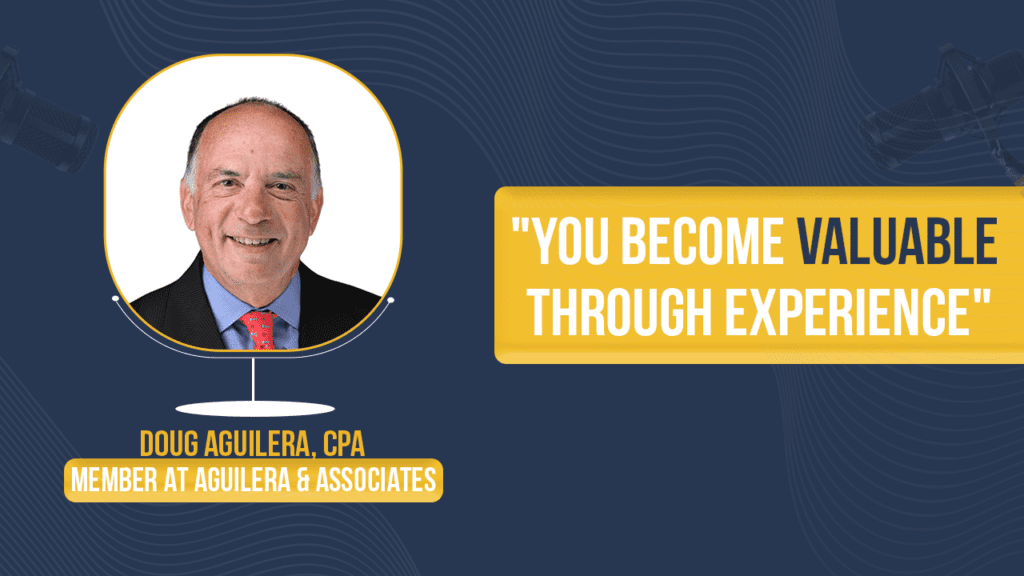
Key advice to apply now
- Try different lanes (audit, tax, advisory, forensic) until something clicks
- Build your value by doing the hard work early—Doug joked about “counting widgets” and reconciling endless statements
- Network intentionally so you can pull in experts when you hit a knowledge gap
Call to action
If you want more real-world CPA career insights like Doug’s—and strategies to grow your skills in today’s tech-driven accounting world—join my monthly newsletter to master your CPA journey. You’ll get practical tips, episode highlights, and guidance you can apply immediately.