

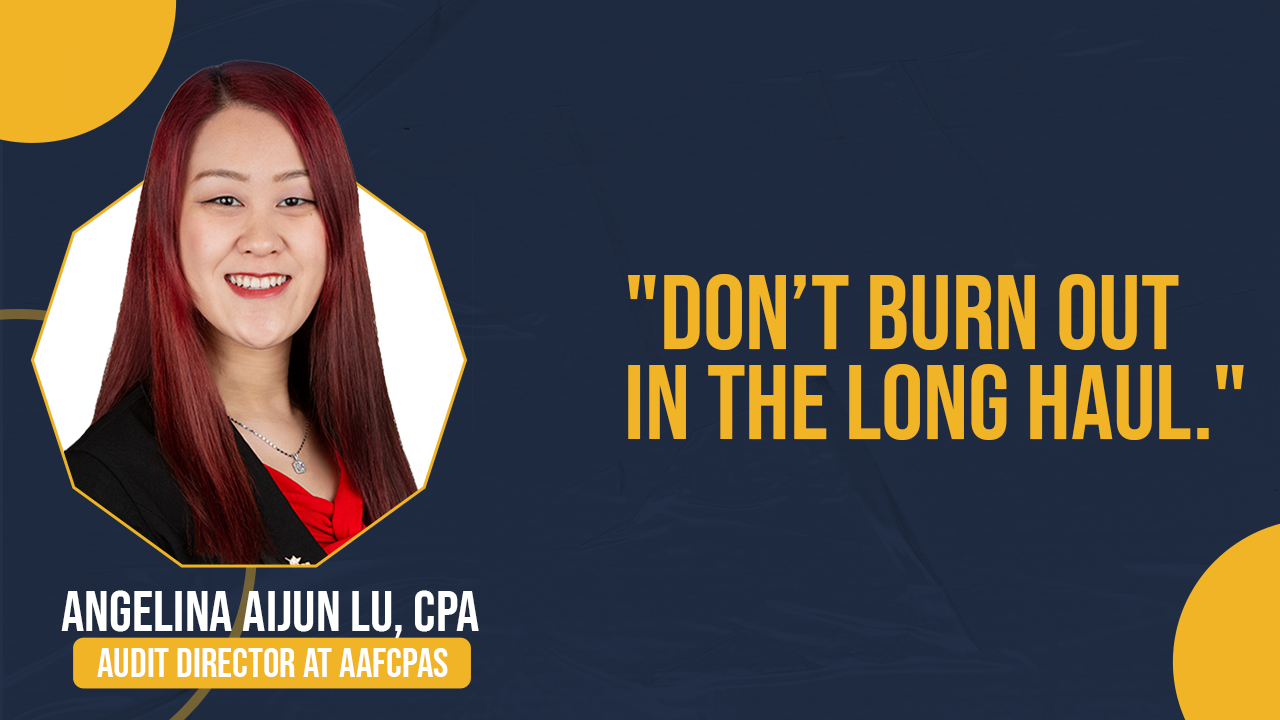
In Part 2 of Episode #119 of the CPA Career Paths podcast, I continued my conversation with Angie, an Audit Director at AAFCPAs. This part of the interview went deeper into leadership, long-term career vision, burnout prevention, volunteering, and the real skills that drive advancement beyond technical excellence.
Interview Summary: Highlights & Takeaways
This portion of the conversation focused on what happens after you reach senior leadership. Angie shared how growth becomes more internal, why balance is intentional—not accidental—and how relationships, volunteering, and self-advocacy shape the next stage of a CPA career.
Key highlights include:
- Redefining success when promotions slow down
- Preventing burnout during never-ending audit deadlines
- Using hobbies as a mental reset
- Volunteering outside traditional accounting circles
- Building relationships with consistency and authenticity

When Promotions Slow Down, Purpose Matters More
As an audit director, Angie explained that career progression is no longer automatic.
“Now you’re not getting promoted every year just because you have another year of experience.”
Instead, this stage requires deeper self-reflection:
- What am I trying to do here?
- Who am I becoming?
- What motivates me long-term?
This shift pushed Angie to look inward and clarify her goal of becoming a partner—not through tenure alone, but through intentional growth and impact.
Actionable insight:
When external milestones slow down, internal clarity becomes the fuel that keeps momentum alive.
Managing Busy Seasons Without Burning Out
Unlike tax, audit deadlines can stretch all year. Angie emphasized that sustainability matters if you plan to stay in the profession long term.
“If you’re in this for the long haul… it’s important to not fully burn out.”
Her solution? Boundaries and hobbies. Angie found her reset button in circus school—an activity that forced her to be fully present.
“You’re no longer concerned about deadlines… you’re only concerned about not falling.”
Whether it’s fitness, music, or creative outlets, having something that fully absorbs your attention helps protect mental energy.
Tip:
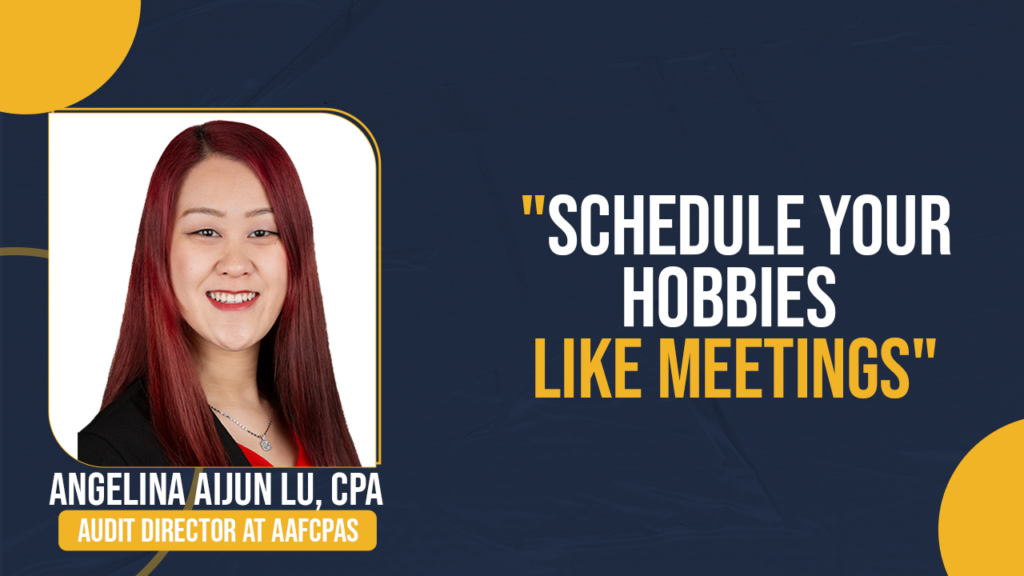
Schedule personal time the same way you schedule client meetings—because calendars reflect priorities.
Volunteering Beyond the Usual Accounting Circles
One of my favorite parts of this episode was Angie’s perspective on volunteering. Instead of limiting herself to traditional accounting organizations, she leaned into her alumni network and cultural community.
Through alumni leadership and Dragon Boat Festival involvement, Angie:
- Expanded her professional network
- Built leadership experience
- Created meaningful community impact
“Our skill set is highly sought after—especially by nonprofits.”
She also highlighted how CPAs bring immense value to nonprofit boards, especially in treasurer and governance roles.
The Skills That Truly Drive Advancement
When I asked Angie to name the most important skills for growth, her answer was clear and powerful.
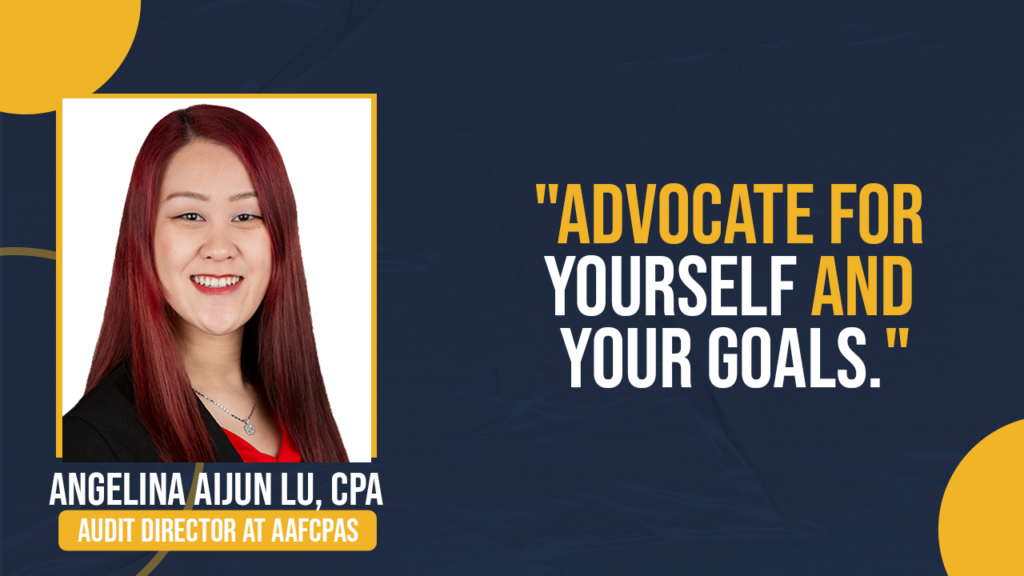
“Relationships are power.”
She emphasized:
- Building genuine, not transactional, relationships
- Communicating clearly and asking questions
- Advocating for yourself—because no one knows your goals unless you say them
- Working hard to gain exposure, perspective, and knowledge
“Knowledge is power.”
Consistency matters too—touchpoints every few months, showing up at events, and staying visible through platforms like LinkedIn.
Final Thoughts
This part of Angie’s story reminds us that leadership is less about titles and more about intention, balance, and connection.
👉 Want more real conversations like this delivered straight to your inbox?
Join my monthly newsletter for practical insights, leadership lessons, and strategies to help you master your CPA journey—one season at a time.